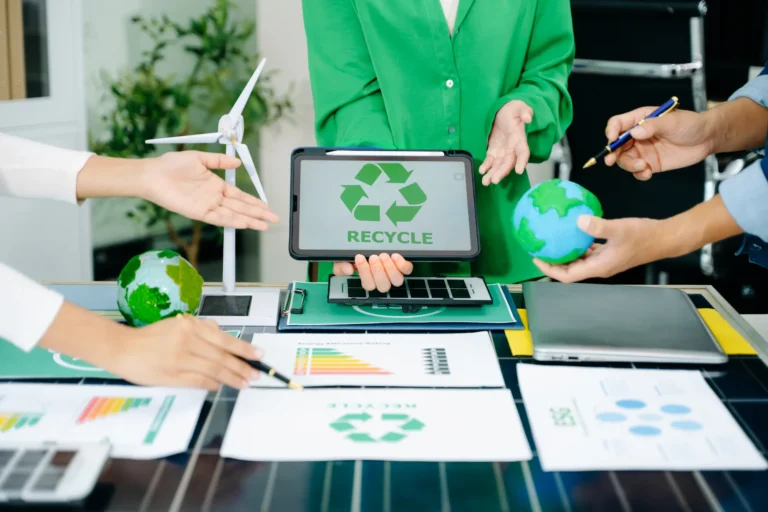
What is ESG Reporting and Why Does It Matter for Businesses in India?
Understand what ESG reporting is, why ESG reporting in India matters, key reporting standards, and how businesses can build long-term sustainability
The extinction crisis is often framed through images of vanishing forests, poaching, or climate change. Yet one of the most pervasive threats to biodiversity lies in something far more ordinary: waste.
A plastic bottle discarded in a city drain. Fishing nets abandoned at sea. Food waste fermenting in unmanaged landfills. Toxic leachate seeping into rivers. These are rarely discussed in the same breath as endangered species conservation. But perhaps they should be.
The modern waste crisis is not merely an urban infrastructure problem. It is increasingly a planetary ecological problem. Responsible waste management is no longer just about sanitation or aesthetics; it has become deeply connected to species survival, ecosystem resilience, and the future stability of natural systems.
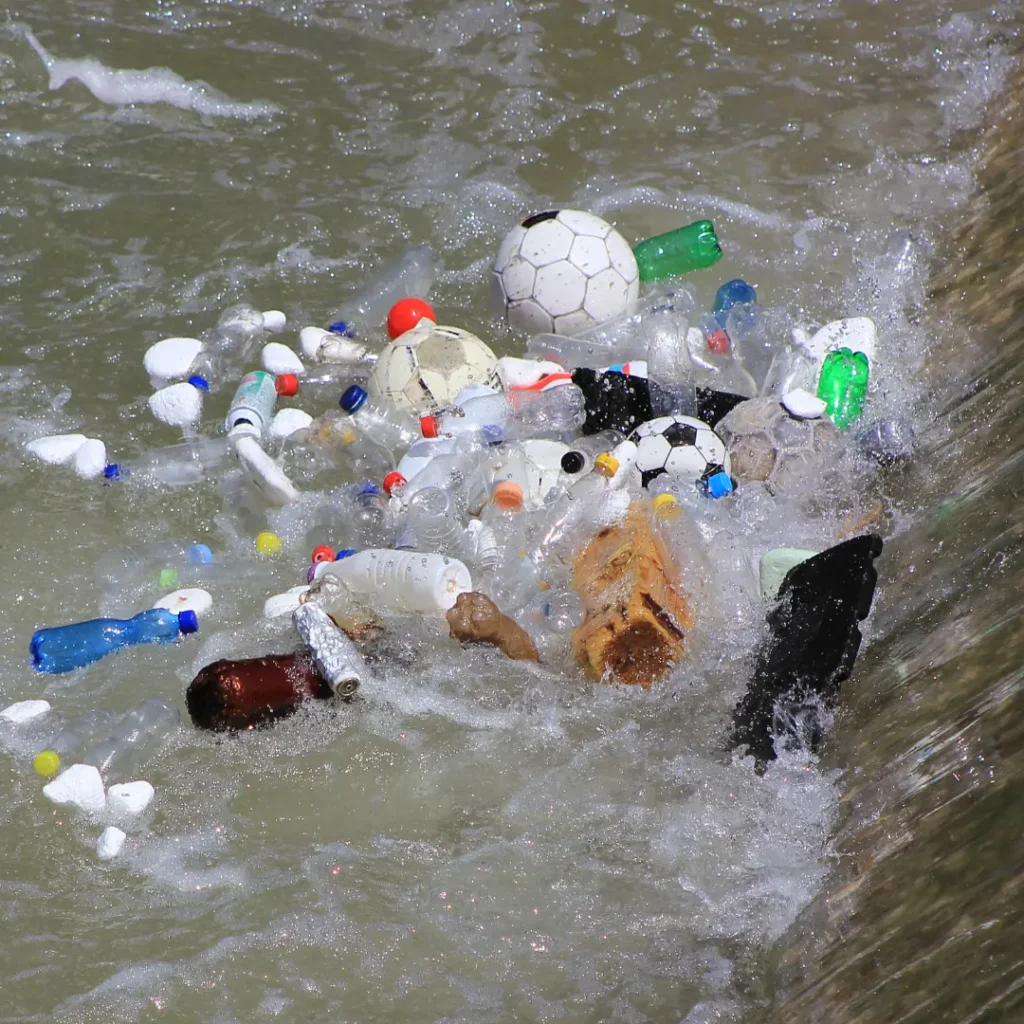
The uncomfortable reality is that waste has evolved from being a byproduct of human consumption into a powerful ecological force.
According to the Convention on Biological Diversity, the world generates between 2.1 and 2.3 billion tonnes of municipal solid waste annually, while nearly 2.7 billion people still lack access to proper waste collection systems. Much of this unmanaged waste ultimately enters ecosystems through rivers, coastlines, groundwater systems, and the atmosphere itself.
What makes this particularly alarming is that ecosystems do not process synthetic waste the way they process natural materials. Nature has evolved around circularity. Human waste systems are overwhelmingly linear.
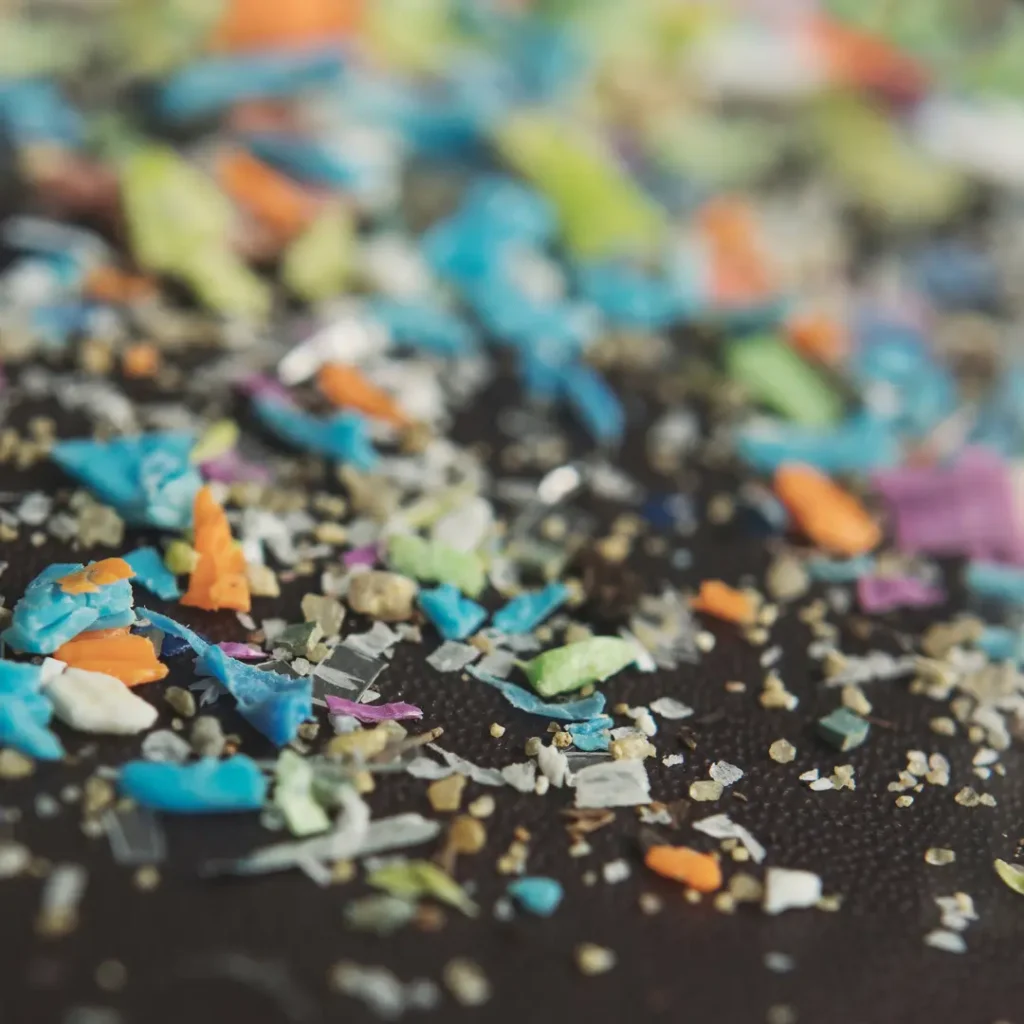
Plastic pollution has now been documented in nearly every ecosystem on Earth, from Arctic ice to the Mariana Trench. More than 14 million tonnes of plastic enter oceans annually, and plastic now accounts for roughly 80% of marine debris.
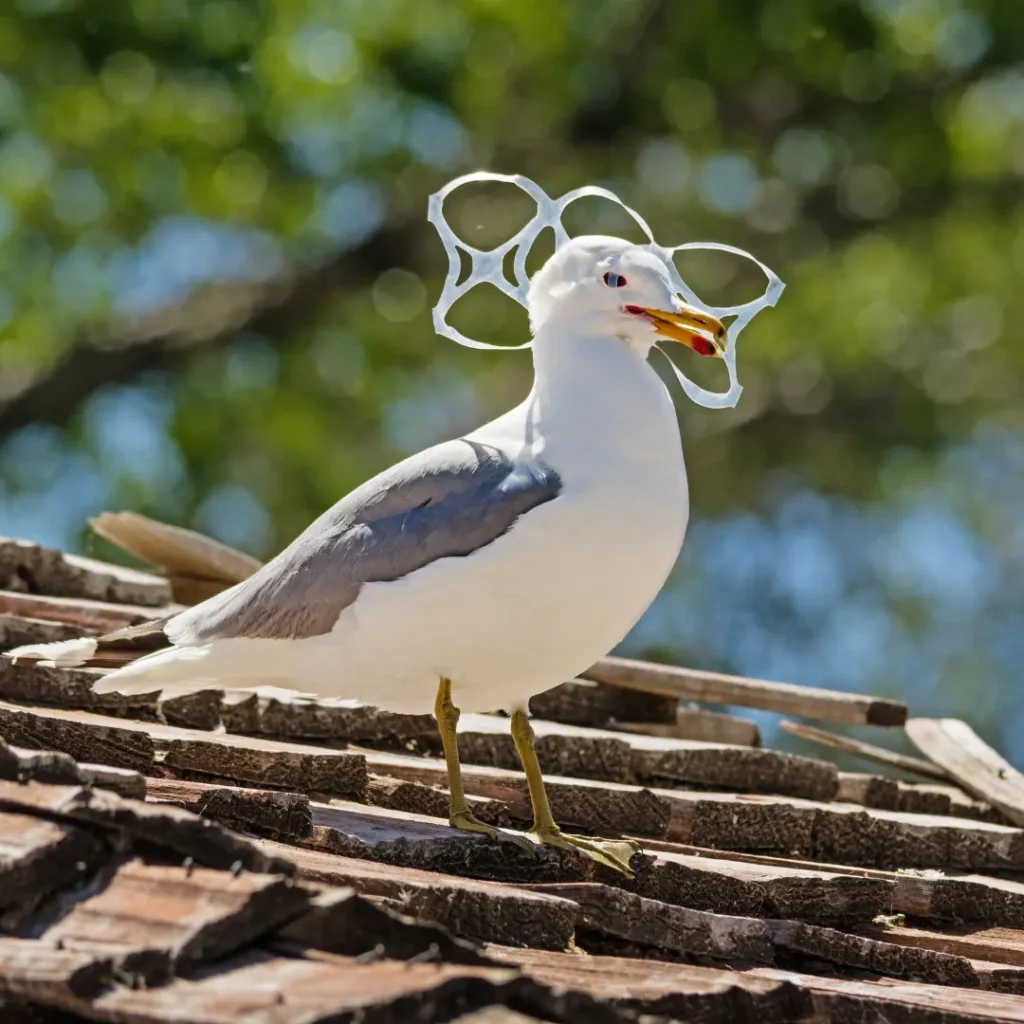
The visible consequences are devastating enough. Sea turtles mistake floating plastic bags for jellyfish. Seabirds feed microplastics to their chicks. Marine mammals become entangled in ghost nets and discarded fishing gear. Studies suggest that plastic pollution affects nearly 800 marine species globally.
But the deeper crisis lies in the systemic disruptions waste creates within ecosystems.
Recent ecological research published in Nature Ecology & Evolution argues that plastic pollution is now altering ecological and evolutionary processes themselves. Plastics are modifying feeding behavior, mating patterns, species dispersal, microbial communities, and habitat structures across aquatic ecosystems.
In other words, waste is no longer merely contaminating ecosystems. It is reshaping them.
This is perhaps one of the defining sustainability questions of our century:
What happens when human waste becomes a permanent geological and biological layer within nature itself?
Traditionally, conservation and waste management have existed in separate policy silos. Conservation focused on forests, wildlife, and protected areas. Waste management focused on municipalities and urban systems.
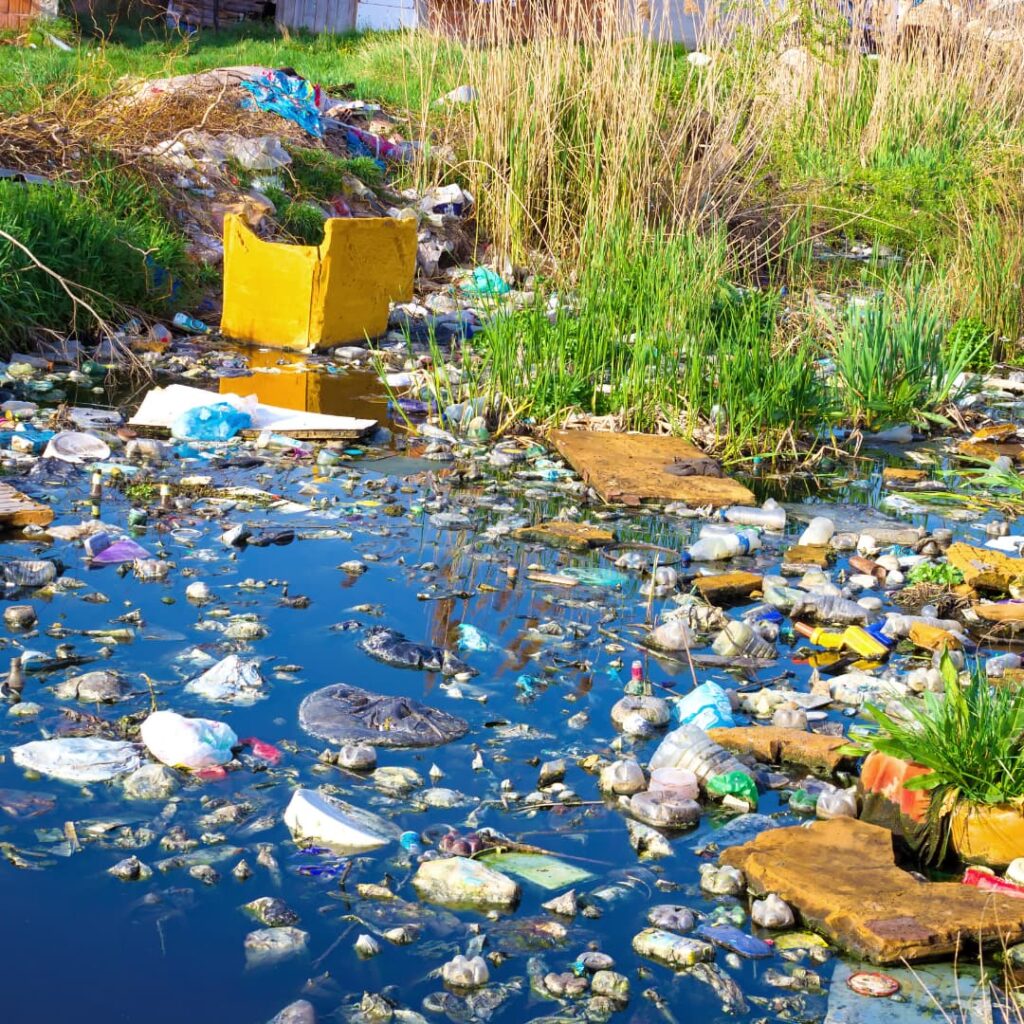
That division no longer makes scientific sense.
Poor waste management directly contributes to biodiversity decline through multiple pathways:
Plastic debris, for example, has created what scientists now call the “plastisphere” — artificial floating ecosystems where microbes and invasive organisms colonize plastic waste and travel across oceans, potentially destabilizing native ecosystems.
Meanwhile, unmanaged organic waste generates methane, a greenhouse gas far more potent than carbon dioxide in the short term. Climate change driven by waste emissions then further stresses endangered species already struggling with habitat shifts and ecosystem collapse.
The implication is profound:
Responsible waste management is not an auxiliary sustainability initiative. It is biodiversity infrastructure.
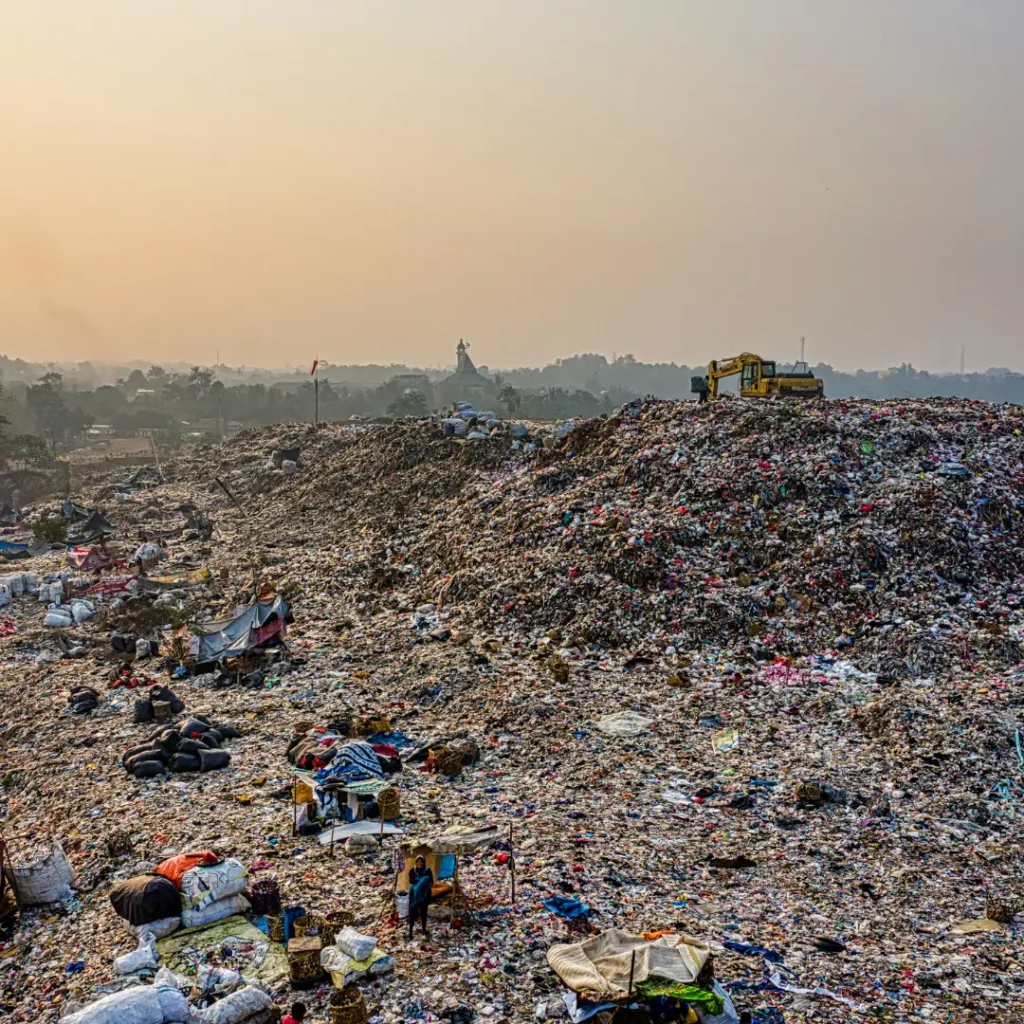
One of the greatest flaws in current sustainability models is that society still treats waste as an endpoint rather than a systems design failure.
Landfills are often perceived as solutions when they are, in reality, storage sites for unresolved material flows. Recycling, while important, addresses only a fraction of total waste generated. The OECD estimates that globally only around 9% of plastic waste is actually recycled.
This demands a philosophical shift.
The future of sustainability lies not merely in better disposal, but in redesigning systems so waste is minimized before it is created. Circular economy thinking, regenerative material systems, decentralized composting, biodegradable packaging innovation, and industrial symbiosis are no longer niche ideas. They are becoming ecological necessities.
Responsible waste management must evolve from operational management into strategic ecological design.
Hospitality, tourism, food service, retail, and manufacturing industries all sit at the intersection of consumption and waste generation. Yet these sectors also possess immense power to become ecological stabilizers.

A hotel that eliminates food waste from landfills reduces methane emissions.
A restaurant that composts organic waste contributes to soil regeneration.
A resort that removes single-use plastics reduces marine leakage risks.
A city that decentralizes waste systems protects rivers and coastal biodiversity.
The relationship between waste and endangered species may appear indirect at first glance. Scientifically, however, it is deeply interconnected.
Every unmanaged waste stream eventually becomes an ecosystem problem somewhere else.
Perhaps the most important realization emerging from sustainability science is this:
There is no “away.”
Waste does not disappear. It merely changes form and location.
A plastic wrapper discarded in an urban neighborhood may ultimately fragment into microplastics consumed by fish thousands of kilometers away. A landfill methane plume contributes to warming oceans that bleach coral reefs. Toxic runoff from unmanaged waste sites enters rivers that sustain fragile wetland ecosystems.
The story of waste is ultimately the story of ecological interdependence.
Protecting endangered species therefore cannot rely solely on protected forests, anti-poaching laws, or wildlife reserves. It must also include intelligent urban systems, circular economies, and responsible material management.

Conservation is no longer just about protecting wilderness.
It is about redesigning civilization itself. Through this article, we hope to help you understand that species extinction has a lot to do with how we manage our waste problems. Today the 15th of May, being Endangered Species Day, it’s fitting for us to talk about this systemic link between everyday sustainability and how we protect biodiversity and save endangered species from extinction.
At ZYX Solutions, we believe sustainability challenges cannot be solved in isolation. Waste, climate, biodiversity, water, food systems, and business operations are all interconnected components of the same ecological equation.
Our approach combines systems thinking, sustainability consulting, circular economy strategies, and responsible waste management frameworks to help organizations move beyond compliance toward meaningful ecological impact.
🌍 Learn more at: zyxsolutions.earth