What is ESG Reporting and Why Does It Matter for Businesses in India?
Understand what ESG reporting is, why ESG reporting in India matters, key reporting standards, and how businesses can build long-term sustainability
India’s waste management regulations currently face rapid changes because cities experience both rising waste production and growing sustainability difficulties. The Solid Waste Management Rules 2016 established basic waste management practices, but the SWM Rules 2026 implementation process will create more effective systems that enable better waste management through improved responsibility systems.
The 2016 rules established waste segregation practices together with scientific waste disposal procedures, while the 2026 framework establishes stronger enforcement systems that cover a wider range of situations and uses advanced tracking systems to manage waste operations.
The following list presents important changes that will affect regulations:
The main focus of SWM 2016 centered on Urban Local Bodies together with designated areas of waste management. The SWM 2026 expansion extends waste management duties to all waste producers in urban and rural areas across India.
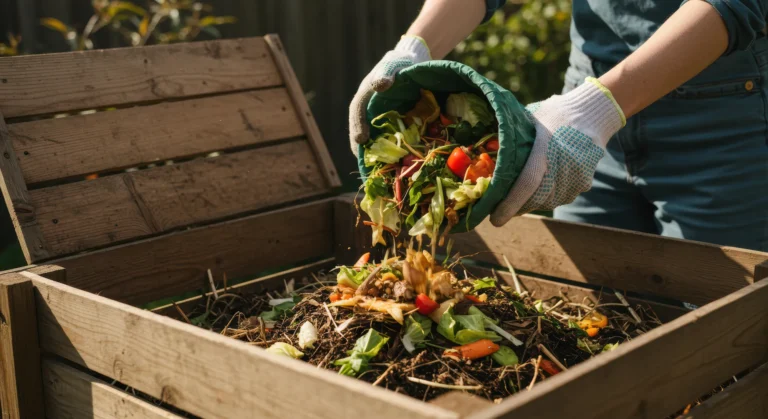
The previous regulations mandated the separation of three different waste types, which included biodegradable materials and non-biodegradable materials together with domestic hazardous waste. The SWM 2026 regulation establishes four separate waste handling categories, which include:
• Wet waste
• Dry waste
• Sanitary waste
• Special-care waste
The process enhances recycling operations while decreasing contamination levels.
Under SWM 2026, the waste hierarchy framework prioritizes:
Prevention → Reduction → Reuse → Recycling → Recovery → Disposal.
The system promotes a circular economy which treats waste materials as resources instead of treating them as waste to be discarded.
The introduction of environmental compensation for non-compliance serves as a major regulatory development which enhances the accountability system that demands waste producers together with developers and institutions to follow environmental regulations.
SWM 2026 introduces a centralized online monitoring system for registration, reporting, and tracking, significantly improving regulatory oversight.
The updated rules restrict landfill use only to non-recyclable and non-recoverable waste, pushing cities toward resource recovery and processing solutions.
For real estate developers, infrastructure projects, institutions, and commercial facilities, the new framework requires:
✔ Stronger waste segregation systems
✔ Integration of on-site waste processing solutions
✔ Enhanced regulatory reporting and compliance
✔ Alignment with circular economy principles
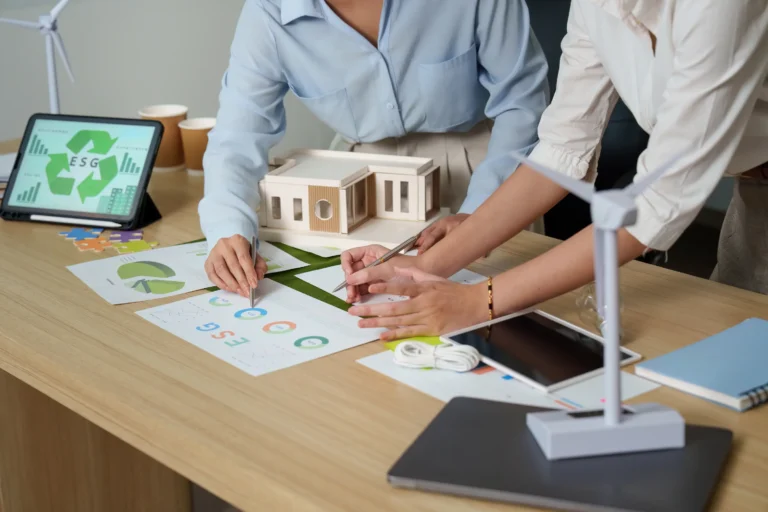
Organizations that proactively integrate waste management strategies at the design and planning stage will be better positioned to meet regulatory requirements while strengthening their ESG performance.
We’ll handle the complexity for you:
Let the team at www.zyxsolutions.earth take care of waste compliance so you can focus on project delivery and incentives.
DM us to discuss your next development.
#SWM2026 #WasteManagement #GreenInfrastructure #Sustainability