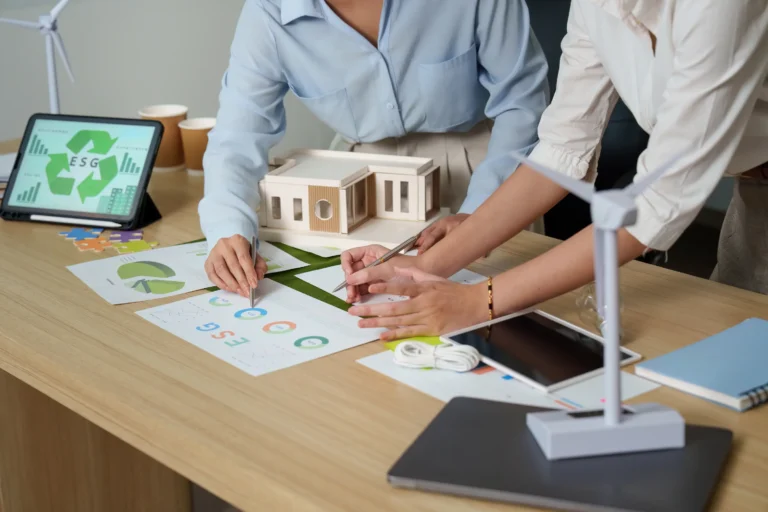
What is ESG Reporting and Why Does It Matter for Businesses in India?
Understand what ESG reporting is, why ESG reporting in India matters, key reporting standards, and how businesses can build long-term sustainability
In the world of sustainability, “recycling” is often the first solution that comes to mind. But lately, “upcycling”, which is about adding value instead of breaking material down, is making its way into conversations.
Both aim to reduce waste and conserve resources; however, they differ in process, purpose, and impact.
Recycling: The Familiar Route
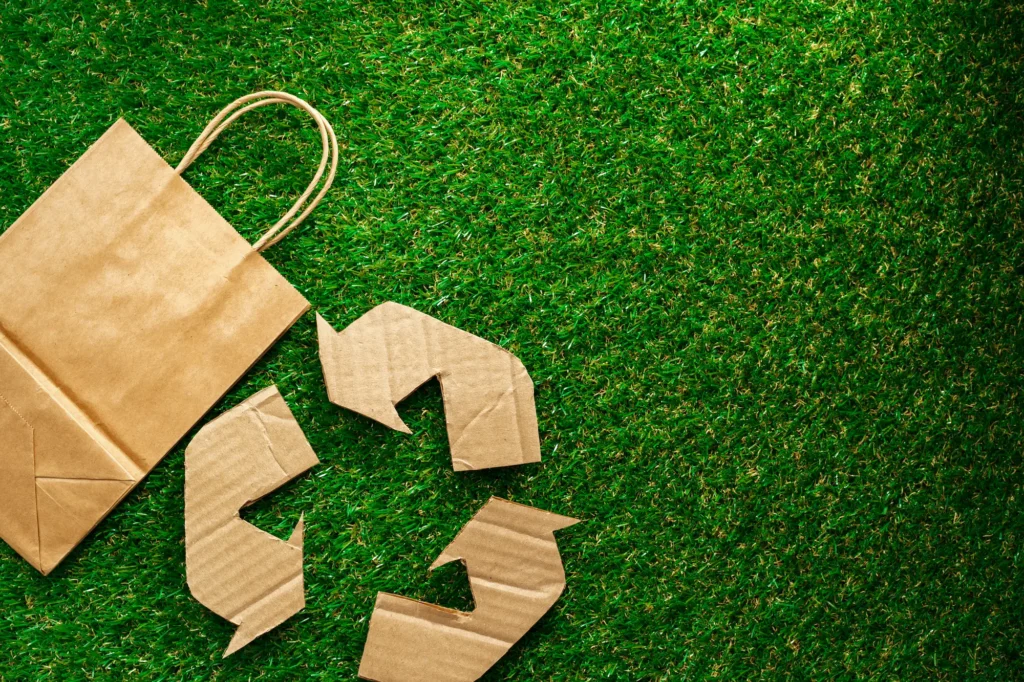
Recycling is about processing plastic bottles, paper, glass, or metal into raw materials to make new products.
It’s a critical part of the circular economy, keeping materials in use longer and reducing the need for virgin resources. But there’s a catch:
Still, it’s a foundation for any responsible waste management strategy.
Upcycling: The Creative Leap
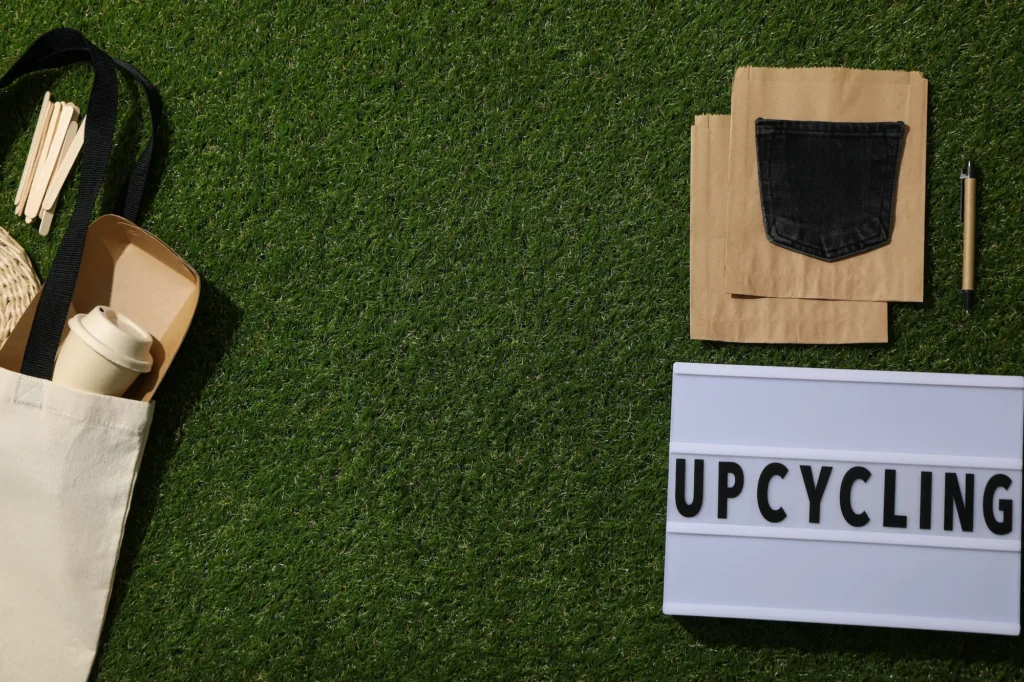
Upcycling is about adding value instead of breaking materials down.
Examples:
Upcycling encourages creativity, local craftsmanship, and emotional value– people feel more connected to something with a story.
And importantly, it reduces both waste and the energy footprint associated with traditional recycling.
The answer isn’t one or the other- it’s both, together.
Recycling is essential for large-scale material recovery, while upcycling offers creativity, local entrepreneurship, and emotional connection to sustainability.
Recycling keeps the loop running, upcycling redefines the loop– turning waste into stories, not just materials.
In an ideal world, it is best to design products with both in mind- materials that are recyclable, yet versatile enough to be upcycled before that.
When you discard something next time, ask: Can this be upcycled before it’s recycled?
This small shift in thought can spark a big change- in how we consume, create, and care for the planet.
Which brand do you think is doing inspiring upcycling work?
Do you have examples from your own space?