Whether it’s coconut shells, leftover food, or discarded plastics, innovative reuse solutions are turning what was once “waste” into worth.
Waste is not viewed as an end, but as a beginning. Example-
Coconut Husk:
India is one of the largest producers of coconuts, generates millions of tons of coconut husk, shell, and coir waste each year. Traditionally discarded or burned, this biomass has huge potential when repurposed like-
Coir-based materials: The fibrous husk is turned into biodegradable mats, ropes, door mats, and even eco-friendly packaging.
Coconut shell charcoal: A clean-burning alternative to wood charcoal, used in filtration systems and barbecue fuel.
Shell handicrafts and décor: Polished coconut shells are used to craft tableware, lamps, and jewelry.
Coconut husk boards: Composite boards made from coconut fiber are gaining popularity, a substitute for MDF or plywood in furniture design.
2. Food Waste
Globally, around one-third of all food produced is wasted, which generates about 8–10% of global GHG emissions. But innovation is closing that loop. The food that can’t feed people, is being used to feel soil, energy or creativity. Approaches include:
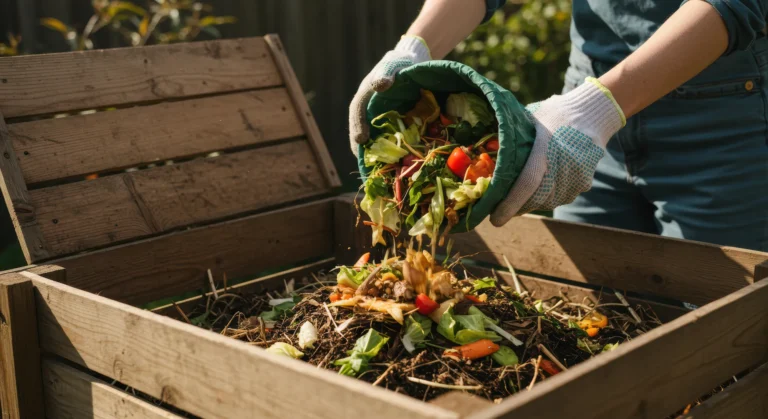
Biogas and composting systems: On-site digesters and composters are converting kitchen waste into biogas for cooking and organic manure for landscaping.
Edible by-product innovation: Breweries are turning spent grain into high-protein flour; fruit peels are being used for natural dyes and wellness teas.
Upcycled food products: Brands are creating snacks and condiments from “imperfect” produce.
Animal feed and enzyme extraction: Certain food waste streams, like fruit pulp or dairy residues, are repurposed into nutrient-rich feed or bio enzymes.
3. Reinventing Plastics: Beyond Recycling
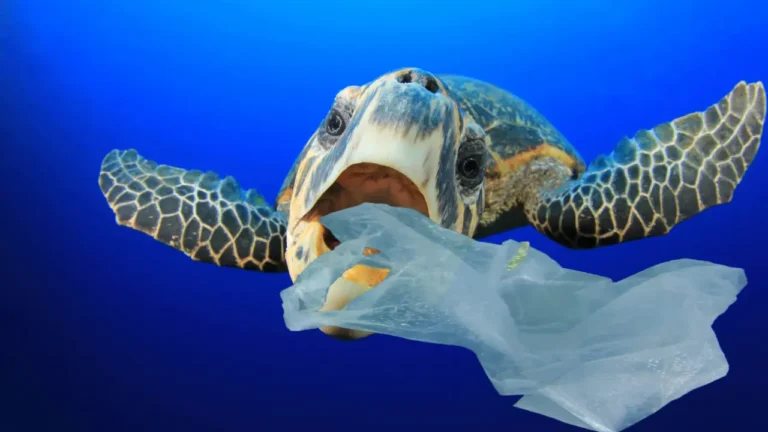
Plastic remains one of the most complex waste streams, but innovation is slowly rewriting its story. Instead of just recycling, innovators are finding reuse pathways that extend its life and reduce virgin plastic demand.
Examples include:
Modular design and refill systems: Hospitality and retail brands are shifting to refillable packaging models like glass dispensers or returnable bottles.
Plastic waste composites: Reclaimed plastics are being molded into durable products like furniture, road tiles, benches, and even building bricks.
3D printing with recycled plastic: Designers are using recycled PET and PLA as feedstock for bespoke furniture and art installations.
Ocean plastic reuse: Coastal cleanup initiatives are feeding recovered plastics into circular product lines from footwear to apparel.
What’s the most creative reuse solution you’ve seen or implemented in your work? Your idea might inspire the next sustainable breakthrough.
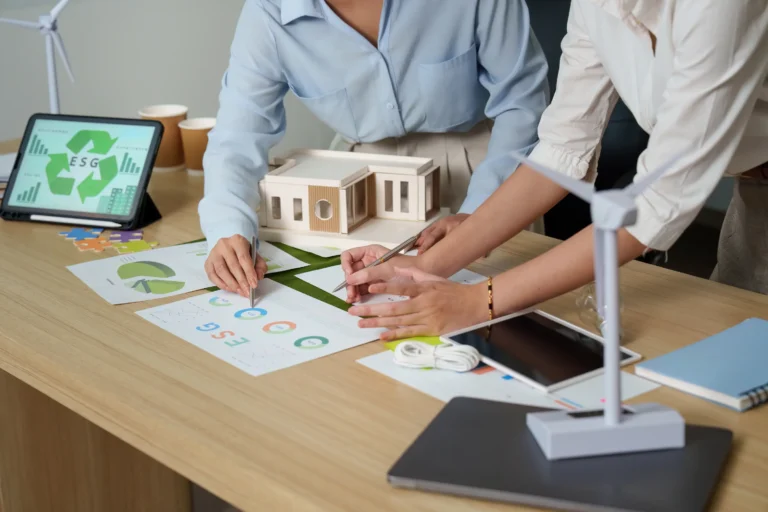
What is ESG Reporting and Why Does It Matter for Businesses in India?
Understand what ESG reporting is, why ESG reporting in India matters, key reporting standards, and how businesses can build long-term sustainability
Why Responsible Waste Management May Be One of the Most Important Conservation Strategies of Our Time
The extinction crisis is often framed through images of vanishing forests, poaching, or climate change. Yet one of the most pervasive threats to biodiversity lies…
Composting & Recycling Myths- We seriously need to fix
If you’ve ever talked about waste management with friends, colleagues, or even clients, you’ve probably heard a few of these gems: “Just compost it, it’ll…
Climate and Conflict: Why Your Next Building Could Flood, Fail, or Collapse
Developers in India and the Middle East, pay attention. EIA compliance alone is no longer enough. The key question now is whether your high-rise, mall,…