What is ESG Reporting and Why Does It Matter for Businesses in India?
Understand what ESG reporting is, why ESG reporting in India matters, key reporting standards, and how businesses can build long-term sustainability
I’m currently reading The Soil Will Save Us by Kristin Ohlson on—and to be honest, it’s transformed how I see the ground beneath my feet. What once seemed like an inert layer of dirt is now, to me, the planet’s most undervalued climate hero. As I flipped through Ohlson’s pages, watched the compelling documentary “Kiss the Ground,” and pored over work by soil scientist Rattan Lal, one truth emerged, loud and earthy: we don’t need to invent carbon capture technology—we just need to work with the one nature has already perfected.
Let me take you to the core of this idea: regenerative agriculture.
This isn’t your grandfather’s plow-and-sow model. It’s a philosophy—a suite of practices rooted in the belief that farming should restore rather than deplete. It includes no-till farming, cover cropping, composting, agroforestry, rotational grazing, and above all, respect for the biological intelligence of soil.
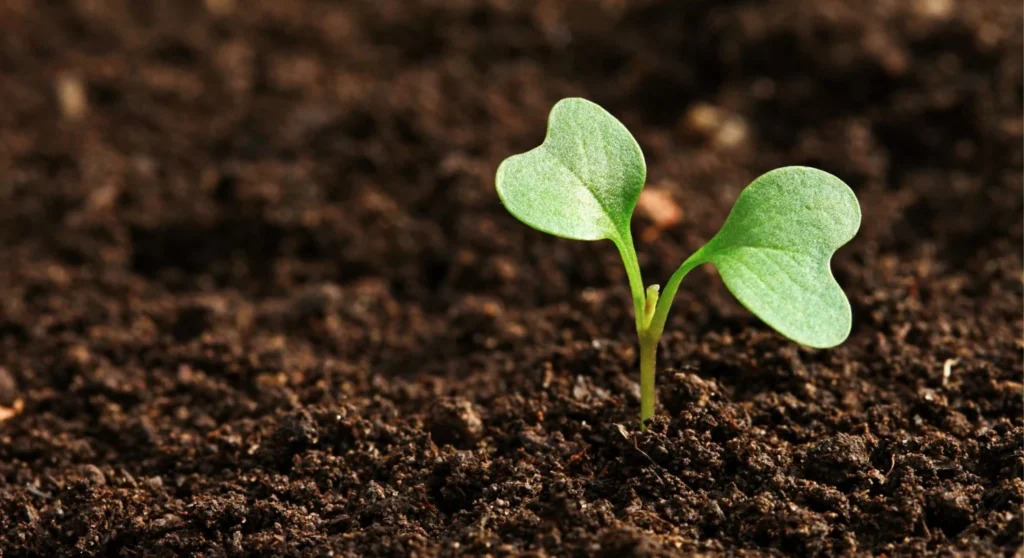
Modern agriculture, for all its advancements, has largely treated soil as a lifeless medium. We’ve tilled it to death, drenched it with chemicals, and stripped it of organic matter. The result? Soil that emits carbon, rather than storing it. According to Rattan Lal, degraded soils have released 476 gigatonnes of carbon into the atmosphere since the dawn of agriculture. That’s nearly twice the CO₂ emitted from fossil fuels over the past 250 years.
But here’s the hopeful part: soil can reabsorb it.
Regenerative practices rebuild soil organic carbon. When farmers stop tilling and start planting cover crops, they create conditions for fungi, microbes, and plant roots to lock carbon into the earth. Think of it as reverse mining—only instead of extracting fossilized carbon, we’re burying fresh carbon drawn from the sky. As Lal notes in his seminal work, even a modest increase of 0.1% in soil organic carbon across global croplands could sequester over 1 billion metric tons of CO₂ annually.
Regenerative agriculture is also about subtraction. By reducing or eliminating synthetic fertilizers and pesticides—which require enormous energy inputs to produce—we significantly cut emissions. And the irony? Healthier soils often mean better pest resistance, higher yields, and improved water retention, making farms more resilient to droughts and floods—those climate change curveballs we’re all bracing for.
It’s a win-win that even the most bottom-line-focused CFO would appreciate.
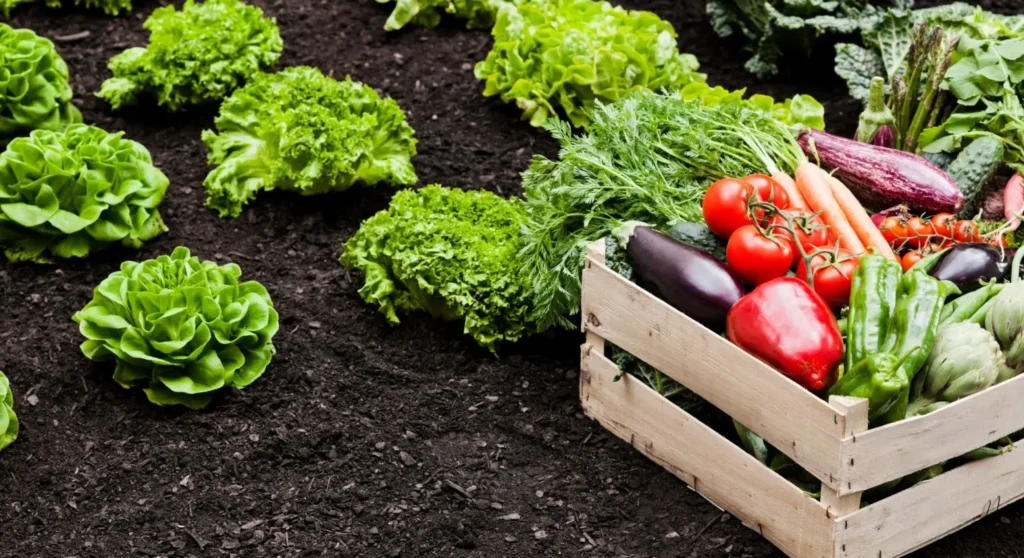
Now here’s where the plot thickens—finance. Regenerative agriculture is in fact an economic shift. From Patagonia to General Mills, forward-thinking companies are already investing in regenerative supply chains. Why? Because consumers are demanding sustainability, and investors are demanding ESG. And buried in that “E” is a lot of C—carbon, that is.
Carbon offset markets are starting to pay attention to soil as a sink, and rightly so. The voluntary carbon market, which exceeded $2 billion in 2023, is beginning to see soil carbon as tradable value. Startups like Indigo Ag and Nori are creating platforms where farmers can monetize carbon sequestration. This right off from the capitalism playbook, however, with a conscience.
Skeptics often dismiss ESG as greenwashing. But sustainability has a way of slipping in through the cracks. As governments mandate Environmental Impact Assessments (EIA) and investors demand ESG metrics, companies are being nudged—if not shoved—into responsible practices. Soil, with its humble promise, fits right into this narrative. It’s the quiet workhorse in a flashy climate-tech world.
As someone who’s spent time deep-diving into sustainability, it’s rare to encounter a solution that addresses emissions, biodiversity, water, food security, and farmer livelihoods all at once. Regenerative agriculture does just that. The going to be inevitable way that we look at modern economics.
So yes, I believe the soil will save us. But only if we let it.
Authored by Pooja-Nataraj Suryanarayana
Buy the book, The Soil Will Save Us by Kristin Ohlson